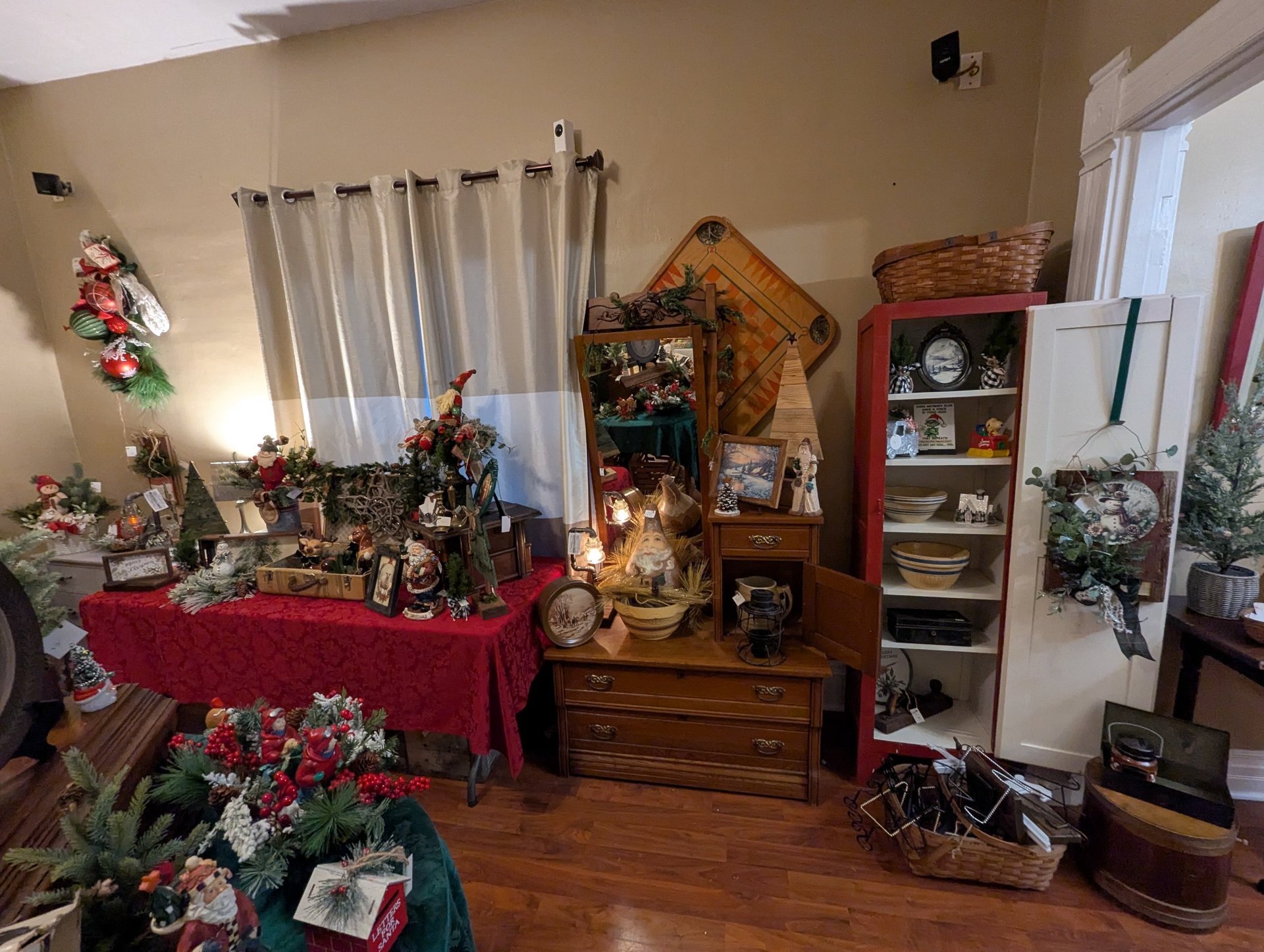
Vintage and Antiques
Addie Jane Originals Vintage Cottage
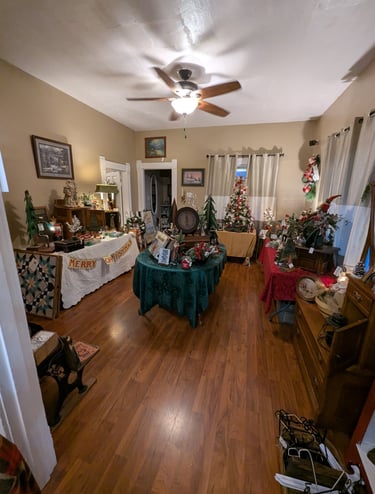
Our cottage is located in Centralia, MO at 316 S Collier ST. We are open every second Saturday in 2026. Our hours are 9:00 AM to 3:00 PM. We are a vintage and antique shop. With unique items for sale. Eva often creates one-of-a-kind designs that incorporate vintage pieces.
Next Open House 4-11-2026
Saturday 9:00 to 3:00
Our Theme for April is "Springin' into spring"

What's New
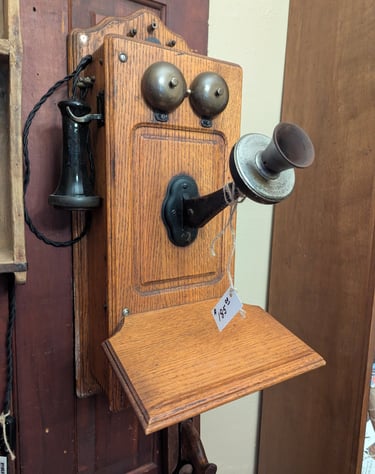
Antique Kellogg telephones are prized pieces of early American telecom history—beautifully crafted in oak, metal, and Bakelite, and known for their durability, distinctive styling, and role in the rise of independent telephone companies. They remain highly collectible today, especially wall‑mount crank phones and candlestick models from the early 1900s.· Founded in 1897 by inventor Milo G. Kellogg, the Kellogg Switchboard & Supply Company emerged right after Bell’s key patents expired.· Kellogg became a major competitor to Western Electric, supplying independent telephone companies across the U.S.
What's New
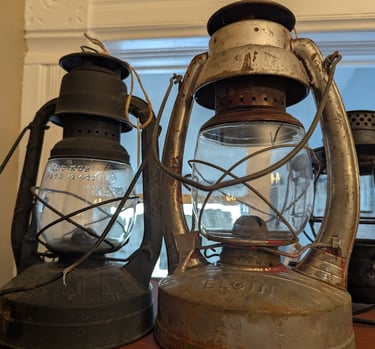
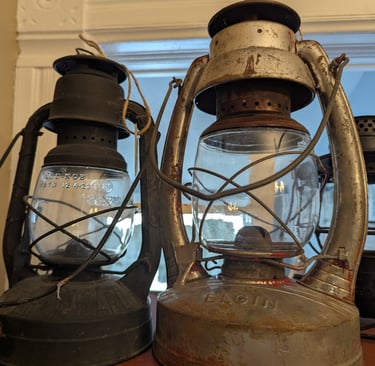
Kerosene lamps were invented in 1853 by Ignacy Łukasiewicz in Poland, the kerosene lamp revolutionized indoor lighting by providing a brighter, cleaner, and cheaper alternative to whale oil and camphene, spurred by Abraham Gesner's distillation of kerosene in 1846. It became dominant in the mid-19th century, with popular variants like flat-wick lamps, tubular wick lamps, and glass-chimneyed hurricane lamps, before fading with electrification in the early 20th century
What's New
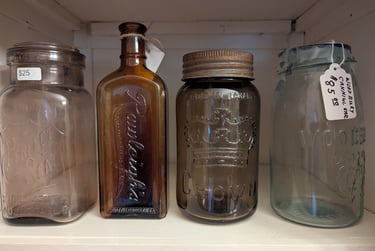
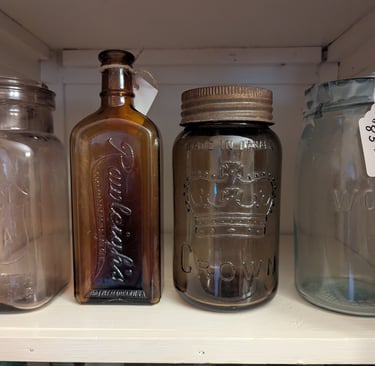
The history of fruit jars—often called canning jars or Mason jars—traces the evolution of safe food preservation from early experiments to a major 19th‑century industrial innovation. Long before the familiar screw‑top jars existed, people struggled to keep food edible through winter months. In 1809, French inventor Nicolas Appert pioneered the first method of hermetically sealing heated food in glass containers, laying the foundation for modern canning, even though the role of bacteria was not yet understood.
The true revolution came in 1858, when American tinsmith John Landis Mason patented a glass jar with a threaded neck designed to accept a reusable metal screw band and a separate sealing lid. This design made home canning safer, more reliable, and far more accessible.
Gallery
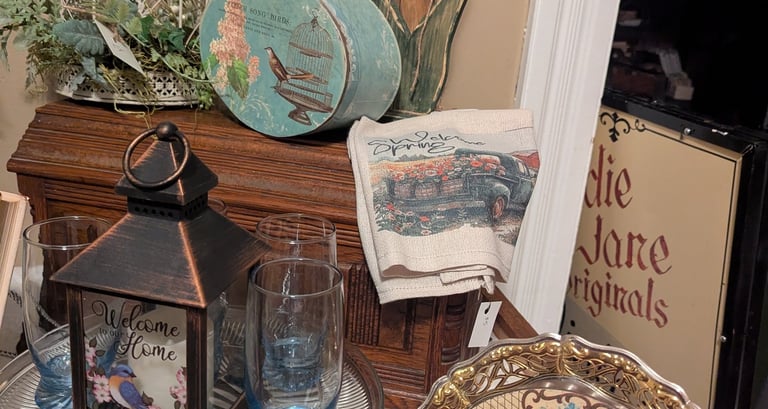
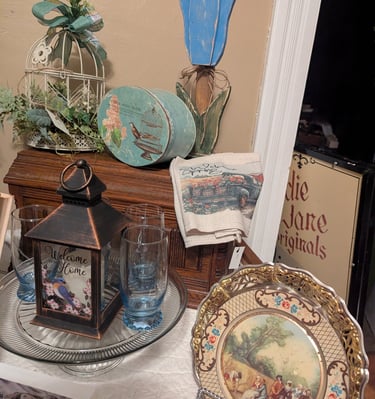
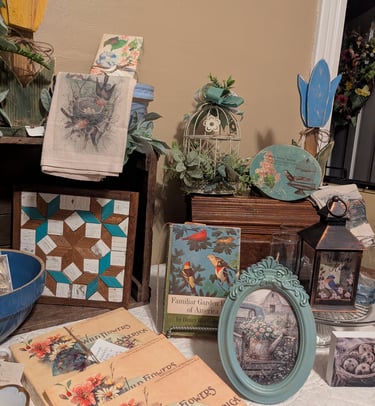
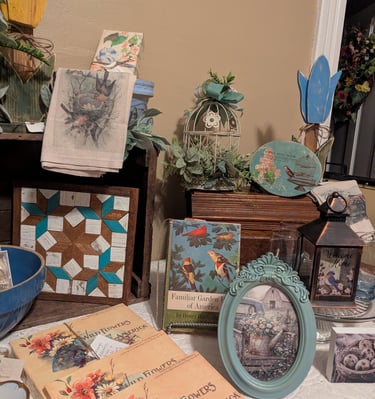
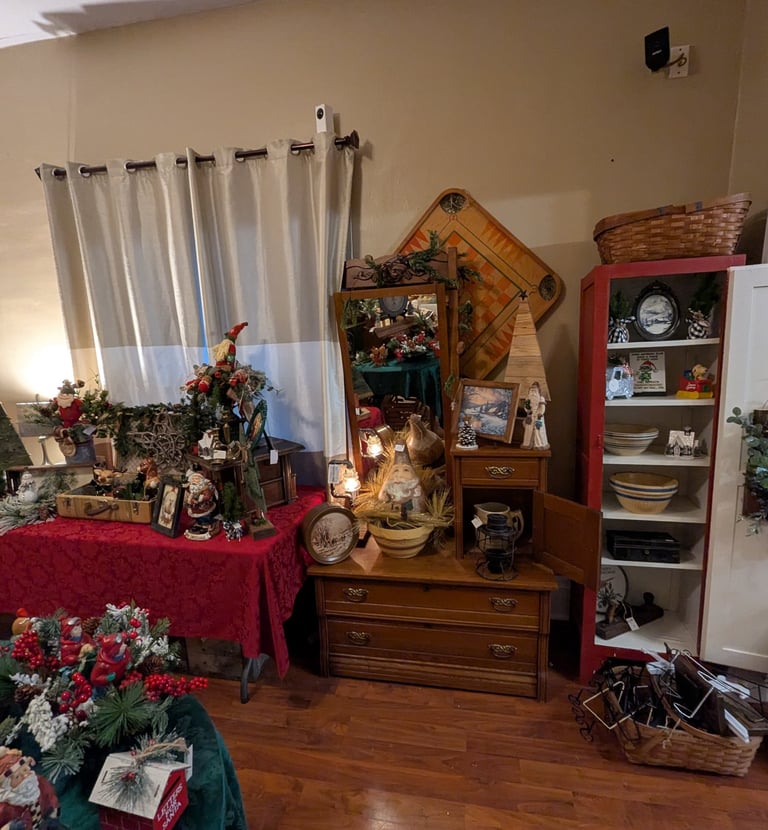
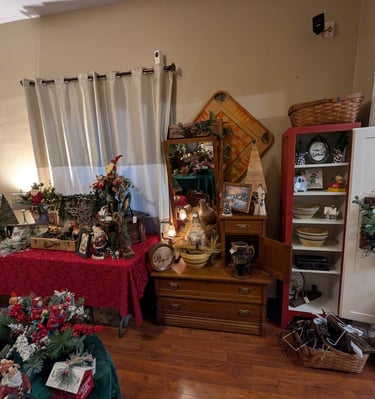
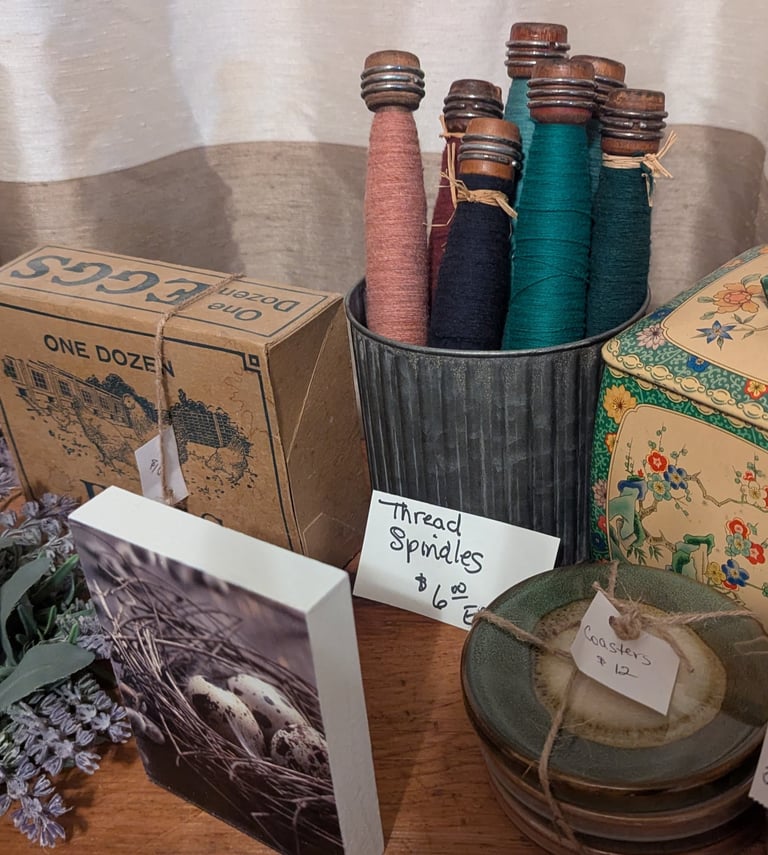
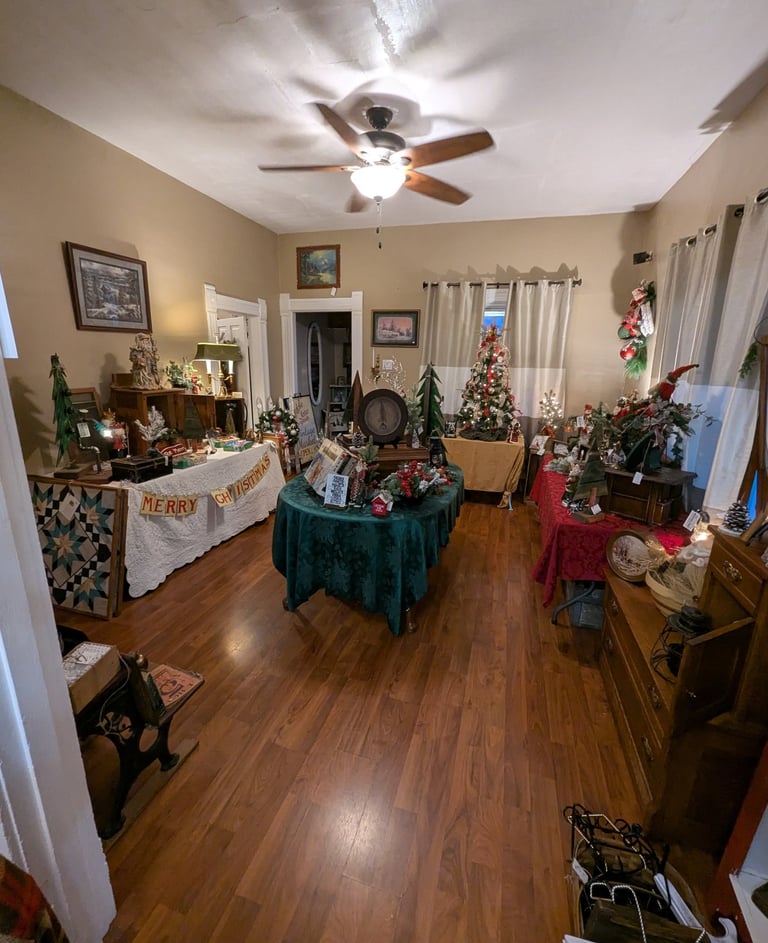
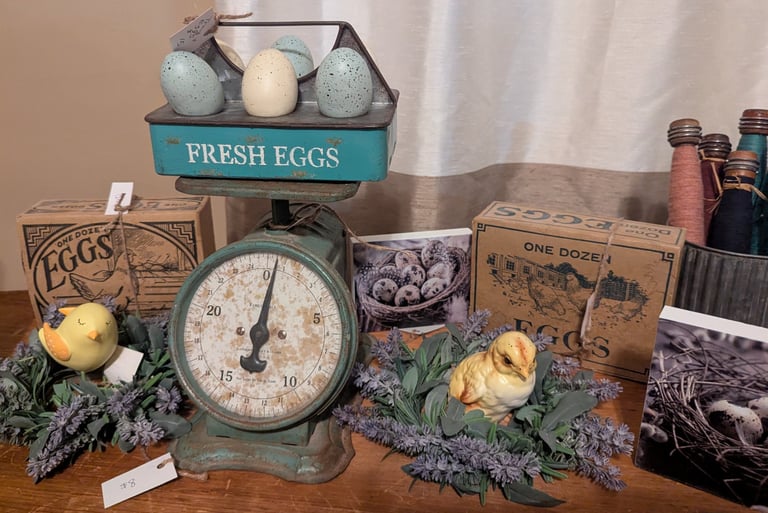
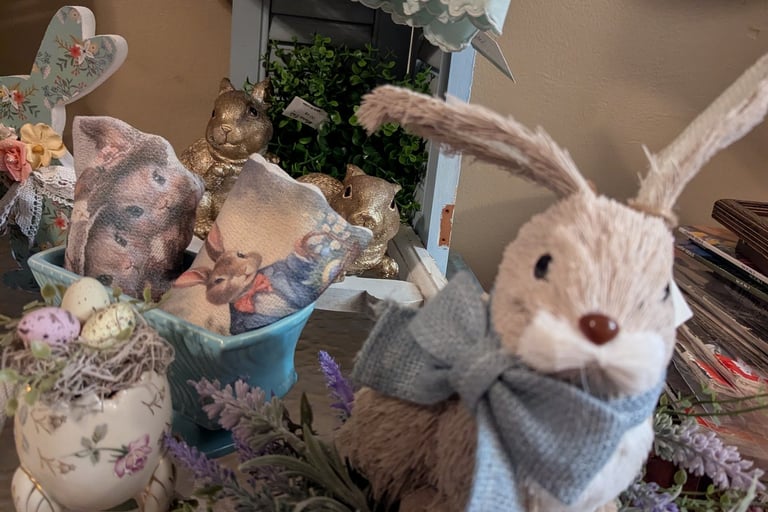
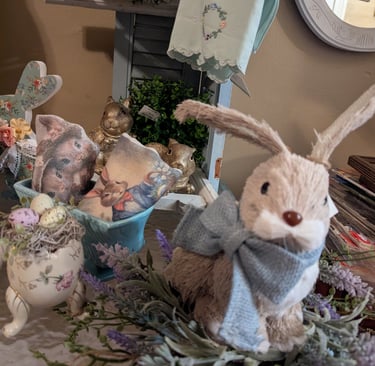
Snapshots from our vintage cottage.
Addie Jane Originals
Phone
eva@addiejane.com
(573) 982-1063
© 2025. All rights reserved.